

Pelvic girdle pain during pregnancy
During pregnancy, the mobility of the body's joints increases in preparation for childbirth. This condition is known as pelvic girdle pain and often causes discomfort in the hips, buttocks, lower back, or pubic bone. Symptoms usually begin in the middle of the pregnancy and tend to worsen later in the day or after physical activity.
Up to 73% of pregnant women experience pelvic girdle pain, also known as pregnancy-related pelvic pain, during pregnancy. Many find it uncomfortable and limiting, and in some cases it can lead to sick leave. However, there are simple and effective ways to relieve the pain. If your pain persists, speak to your midwife or a physiotherapist for advice and guidance.
What Does Pregnancy-Related Pelvic Girdle Pain Feel Like Compared with Ordinary Back Pain?
Pregnancy-related pelvic girdle pain and back pain can cause similar symptoms, and they sometimes occur together. Pelvic pain is often felt around the pubic bone, hips or buttocks and may worsen with movements that place uneven strain on the pelvis. Examples include climbing stairs, standing on one leg or turning over in bed.
Pain that is mainly located in the lower back may have other or multiple underlying causes. It is not always possible to determine the cause of the symptoms yourself. If you are unsure, a midwife, doctor or physiotherapist can help assess your symptoms.
You can also read our article about back pain during pregnancy.
Can Pelvic Girdle Pain Start Early in Pregnancy?
Yes, pelvic pain can develop during the first few months of pregnancy, although many people experience symptoms later on. There is no specific week of pregnancy when pelvic girdle pain begins. Some people experience mild symptoms that come and go, while others develop more persistent pain that affects everyday life.
The severity of symptoms can also vary between pregnancies. Having experienced pelvic pain during a previous pregnancy may be relevant when assessing new symptoms, but it is not possible to predict exactly how the pain will develop.
When Is It Important to Have the Pain Assessed?
Pelvic pain is common during pregnancy, but not all pelvic or back pain is caused by pregnancy-related pelvic girdle pain. Contact your midwife or healthcare provider if the pain persists, gets worse or makes it difficult to walk or manage everyday activities.
Seek prompt medical attention if the pain is sudden or severe, or if it occurs alongside symptoms such as bleeding, fever or other symptoms that concern you. These symptoms should not automatically be attributed to pelvic girdle pain.
Support Products for Pregnancy-Related Pelvic Girdle Pain
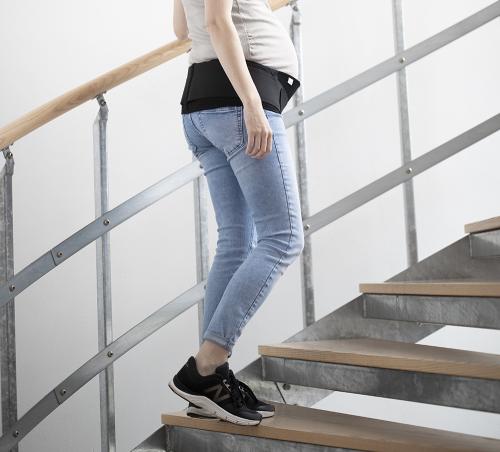
For some pregnant people, a pelvic support belt can be a useful addition when pelvic pain makes everyday activities difficult. It can provide supportive coverage around the pelvis, but the effect varies and the belt may not be equally suitable for everyone.
NordiCare offers pelvic support belts and maternity support belts for different needs. Find out more about the models in our pelvic support and maternity belt category. For more detailed information on using a pelvic support belt, read our article How to Choose the Right Pelvic Support Belt.
10 tips to relieve pelvic girdle pain
- Keep moving, as long as it does not cause pain. There are specific exercise programmes and exercises for pregnant women.
- Alternate between sitting and standing as often as possible to reduce strain on your back.
- Use a pelvic support belt, which provides immediate pain relief for most people.
- Strengthen your back and abdominal muscles so they can support the pelvis and reduce strain. However, avoid exercises and activities that are unsuitable during pregnancy.
- Take frequent, short walks using small steps.
- Keep your back as straight as possible during everyday activities, such as getting dressed.
- When walking up or down stairs, place both feet on each step before moving to the next.
- Wear comfortable shoes that provide support and cushioning.
- When sleeping on your side, try placing a pillow between your knees or under your abdomen to reduce strain on your pelvis. You can also place a pillow behind your lower back when sitting.
- Avoid sitting with your legs crossed or in a cross-legged position.