


Living with a stoma
Suddenly starting to live with a stoma can present many challenges. It often requires adopting new hygiene routines, and you may need to make some adjustments to your activities and daily tasks.
Many people may also feel anxious about new situations and develop a negative body image. However, studies show that learning how to manage and understand life with a stoma can help people maintain a good quality of life and enjoy a well-functioning everyday life. It may take some time to adjust to and accept the new situation, both physically and emotionally. However, with the right support and information from healthcare professionals, as well as support from family and friends, most people can lead a life that is just as active, social and fulfilling as before having a stoma.
Physical activity
Having a stoma often affects physical activities, but this does not mean they need to be avoided. However, it may be necessary to spend a little more time planning and preparing before an activity. This reduces the risk of anything unwanted or unexpected happening during the activity. Being prepared can also help ease anxiety. For example, some people worry that their stoma might become visible or accidentally come into contact with someone else, while others feel uncertain about how different movements or positions may affect their stoma. However, many people find that they can still enjoy a wide range of physical activities without any problems and lead an active life, just as they did before. Most people find that continuing with the same activities they enjoyed before surgery helps them feel better.
Travel
Many people find long journeys stressful or worrying when they have a stoma. Here too, careful planning and preparation can provide reassurance and reduce stress. For example, if you are flying, it is a good idea to distribute your stoma care supplies among different bags in case any luggage is lost or delayed. It is also helpful to pack pre-cut stoma bags in your hand luggage, as most scissors are prohibited. When going through security, it is a good idea to inform staff that you have a stoma. If you are travelling to a warm country, bear in mind that heat can affect the materials used in some stoma care products. Travelling by car can often feel safer, more flexible and more comfortable, although the seat belt may cause some discomfort. It can still be helpful to plan your stops and meals along the way. When travelling, it is also worth remembering that changes in eating and drinking habits can affect your digestion. Most importantly, choose activities and travel arrangements that you feel comfortable with, and enjoy your trip.
Sleep
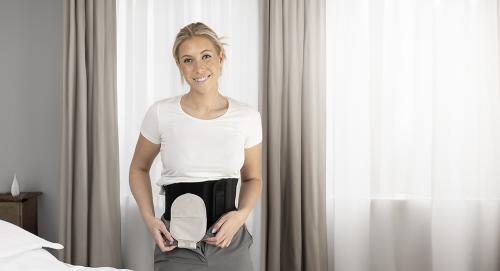
As we all know, sleep is very important for our wellbeing. People with a stoma who worry about leakage during the night may sometimes have difficulty falling asleep and getting a good night's rest. To feel more relaxed and sleep better, it can help to change or empty your stoma bag before going to bed. Finding a comfortable sleeping position and maintaining it throughout the night, for example with the help of pillows, may also make things easier. Support underwear or an abdominal support garment can help keep the stoma bag in place during the night.
Diet
Having a stoma should not normally prevent you from continuing to eat the foods you enjoyed before surgery. However, certain foods can cause some problems when you have a stoma. For example, some foods may cause more gas or odour than others, so you may wish to adjust your diet to avoid uncomfortable situations. Some people choose to avoid gas-producing foods, such as spicy foods, carbonated drinks, certain fruits and vegetables, or fatty foods. It may also help to eat at regular times and be mindful of portion sizes. Eat slowly and chew your food thoroughly to avoid swallowing too much air. It is also important to drink enough fluids. Immediately after surgery, pay extra attention to how your digestive system responds and choose soft, easily digestible foods. After living with a stoma for a while, you can gradually try different foods to find out what works best for you and adjust your diet accordingly.
Stoma care
To make everyday life with a stoma as easy and trouble-free as possible, it helps to follow a structured routine for stoma care. Poor stoma care can lead to skin damage and infections. You may feel more reassured if you check your stoma bag from time to time to make sure it is secure and that there is no odour. Ensuring that the bag fits properly is important to prevent discomfort and leakage. Skin exposed to urine or faeces can easily become irritated. Tap water and soft gauze are suitable for cleaning, and it is important to handle the stoma gently and carefully at all times. Clear, practical information from healthcare professionals is essential to help you manage your stoma as effectively as possible.
Emotional wellbeing
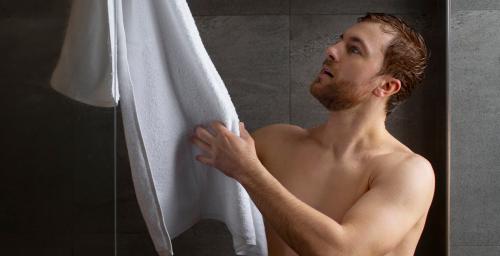
Most people with a stoma are affected emotionally in some way. Feelings of anxiety and uncertainty are common, but people may also feel relief and gratitude for the treatment they have received. It is normal to feel anxious about showing your stoma and you may choose to wear clothing that conceals it more effectively. Immediately after surgery, you may struggle with your body image and have difficulty looking at or accepting your stoma. However, most people find that these feelings improve considerably over time. People who have had a stoma for some time generally feel that they have learned to accept it and live with it. If you initially feel that your stoma limits your life and prevents you from achieving your goals, you will often begin to see new possibilities over time and develop a more positive outlook on life with a stoma.
Support and understanding
Understanding and encouragement from family and friends are very important after stoma surgery. Unfortunately, some people close to the person may find it difficult to accept the stoma. It is therefore helpful for partners and close family members to receive information and be involved in adapting to life with a stoma. Many people with a stoma worry about what others might think, which can increase the risk of isolation and make them afraid to meet people who do not know about their situation. Contact with others who have a stoma has therefore proved very helpful in reducing this type of uncertainty, isolation and feeling of exclusion. If you or a family member would like support or want to take part in activities or support groups, you can visit www.ilco.nu. ILCO is a non-profit organisation for people living with a stoma. To gain insight into what life with a stoma is like for others, you can also follow people on social media who openly and generously share their experiences and everyday lives.


